One Way
I'd Revitalize
NYC
One Way
I'd Revitalize
NYC
One Way
I'd Revitalize
NYC
One Way
I'd Revitalize
NYC
in the 20th century, robert moses covered swaths of new york and the suburbs, thinking about how to build new parks and infrastructure.
a century later, i’m thinking about how parks and metros could be made to look again, all the time. here’s an idea.
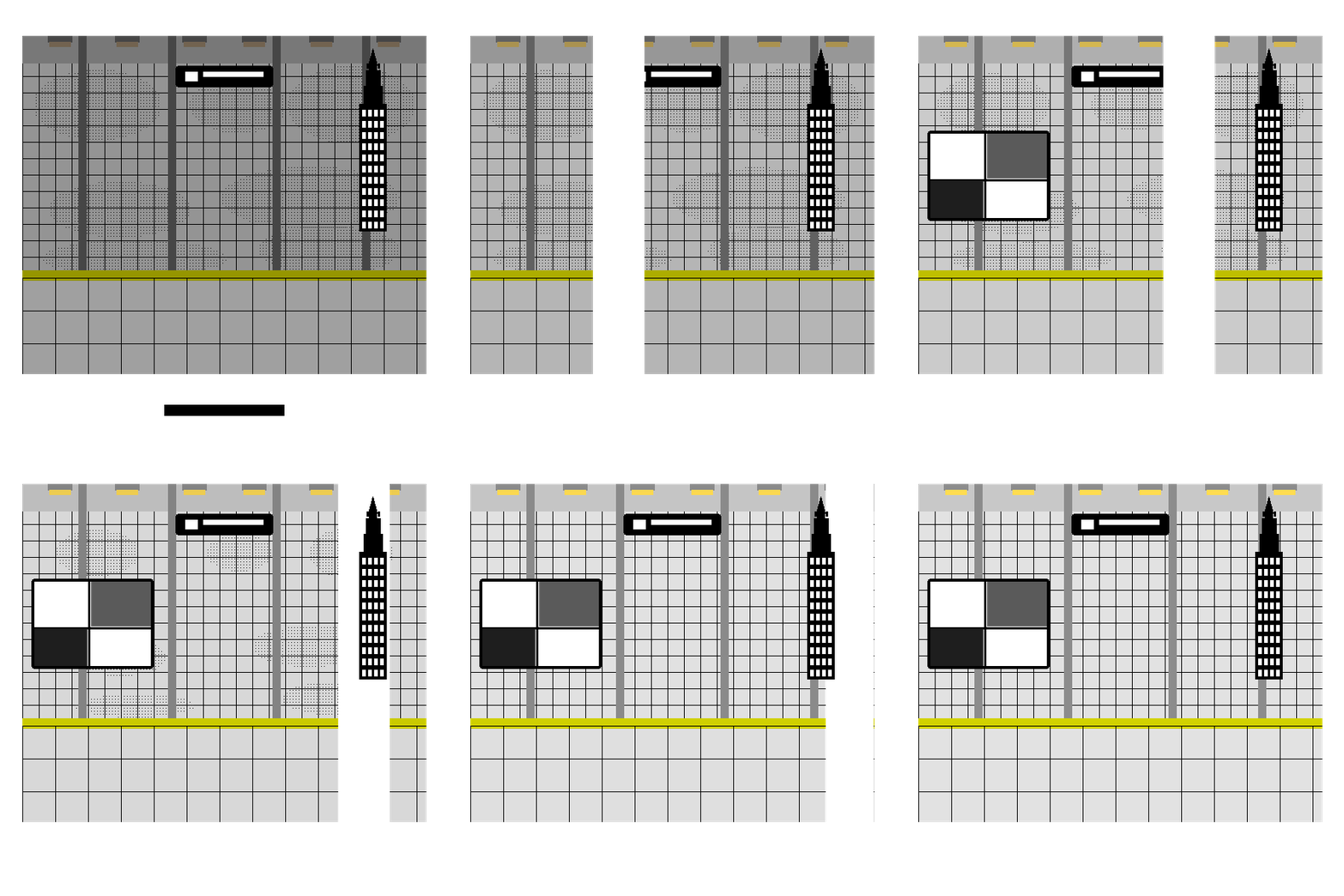
the city has no shortage of spots that could use a cleanup. subway tiles and murals covered in soot. 472 stations that could use new floors, ceilings, and lighting.
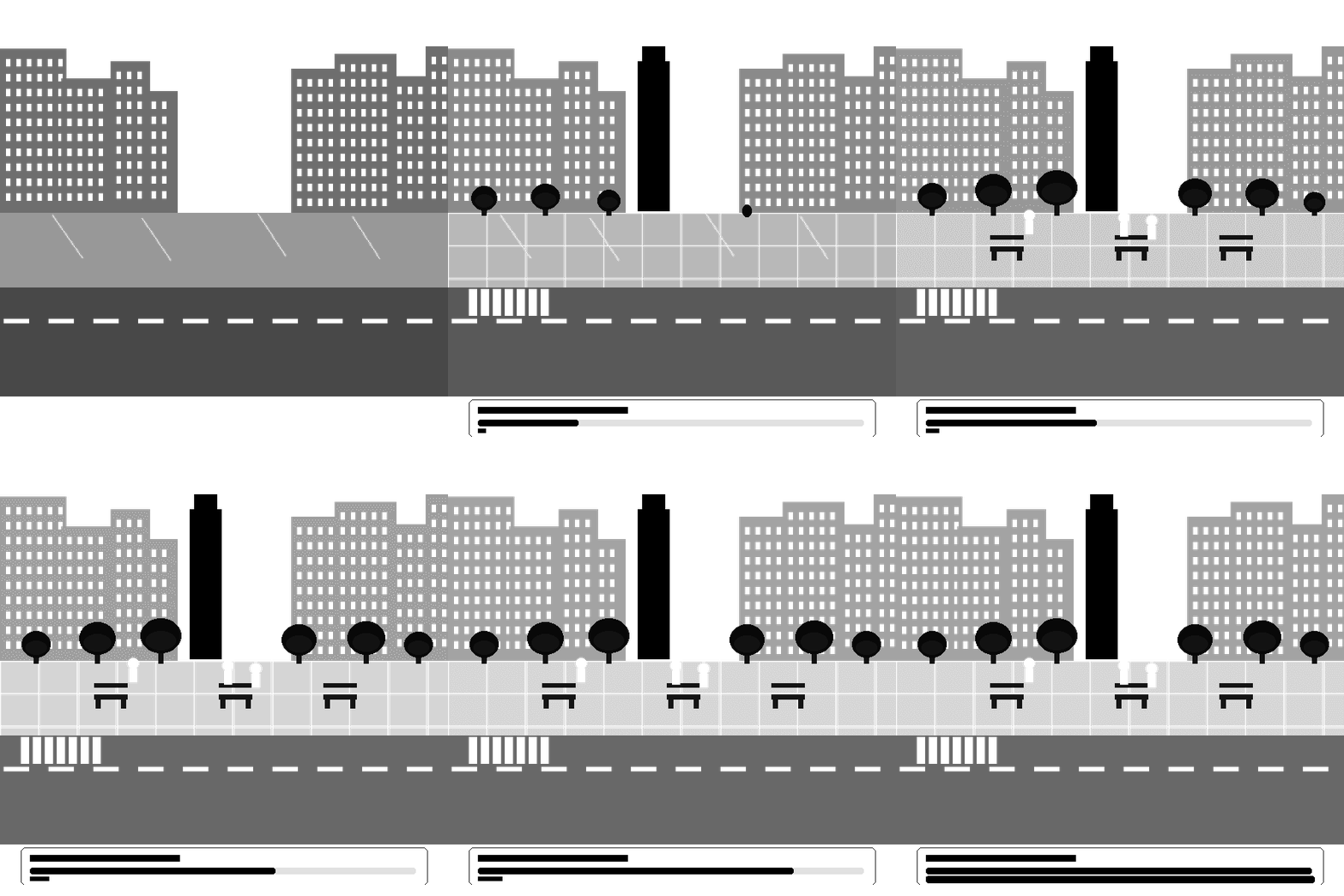
above ground, there are streets void of trees, like 14th st in union square. parks without landscaping, like tompkins. prewar buildings with radiators that are 50-plus years old.
but then again, no one cares. so how do you make them care?
the solution is to capture attention, and action, with something creative and fun. it’s an app.
streeteasy changed how new yorkers find housing. citizen changed how they understand safety. google maps changed how we explore, and uber changed how we get around.
what if the same model existed for cleaning up new york itself?
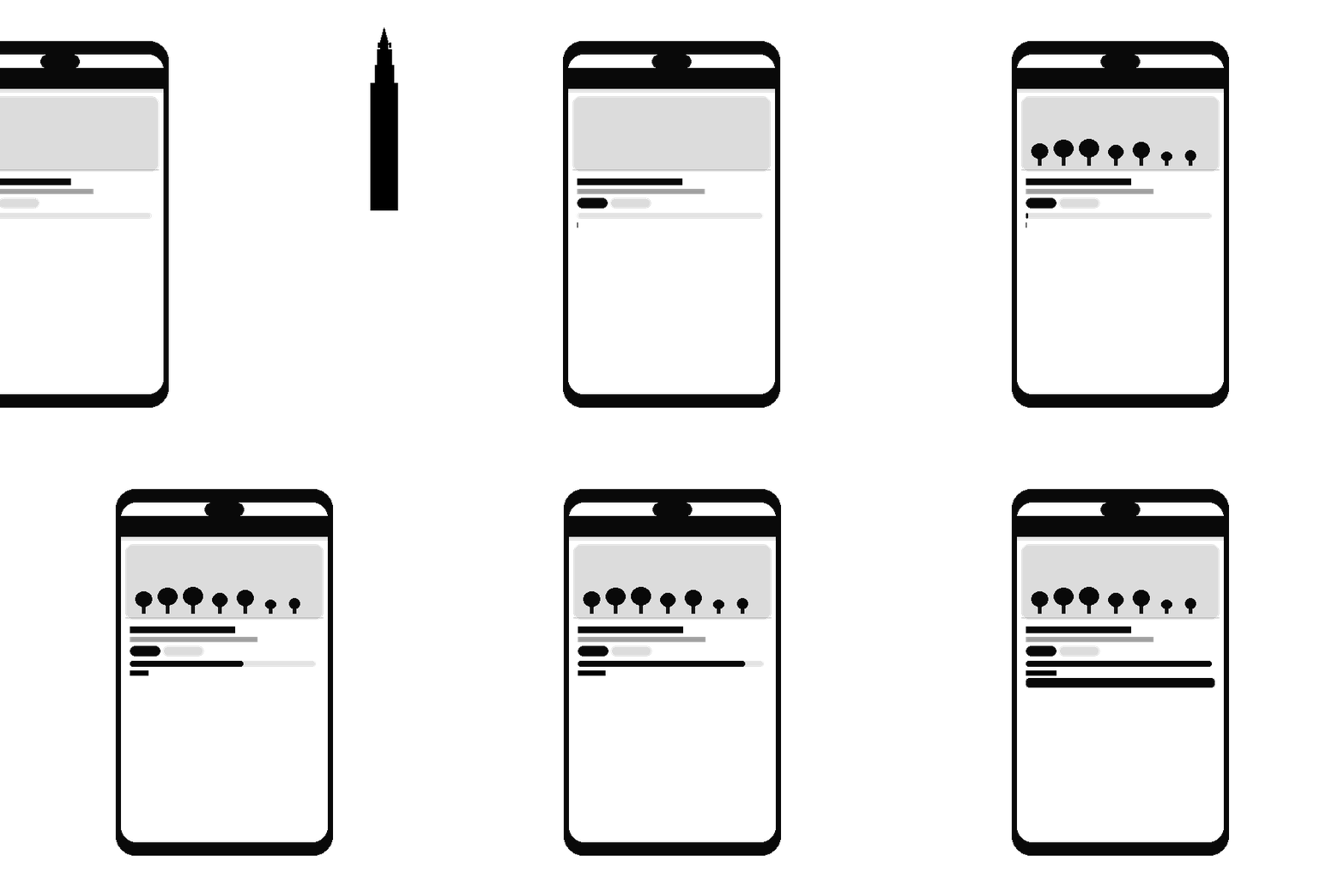
here’s the game. a seamless iOS app shows users a map with pinpoints detailing urban projects across the five boroughs. power-washing jay street / metrotech. early trash pickup on avenue b. an interior fit-out of the 59th street 6 train station.
behind the screen, permitting relationships are built with city government. partnerships with engineers and estimators define the projects. a network of trade and union workers brings execution plans to the table.
users see professional renderings of what the future could look like, and how much it would cost. they can vote on projects, or back them with a donation.
crowdraising shows attention and capital feasibility for rapid city works projects. once estimates are met and approvals are in place, funds trigger. installs happen overnight.
i’m calling this worldchangers. it would bring civic action to fingertips, giving new yorkers real power to shape the city. it would create jobs as far apart as both trades, and iOS development. it would bring artists back into train stations.
worldchangers. because if it works in new york, it might work anywhere.
in the 20th century, robert moses covered swaths of new york and the suburbs, thinking about how to build new parks and infrastructure.
a century later, i’m thinking about how parks and metros could be made to look again, all the time. here’s an idea.
the city has no shortage of spots that could use a cleanup. subway tiles and murals covered in soot. 472 stations that could use new floors, ceilings, and lighting.
above ground, there are streets void of trees, like 14th st in union square. parks without landscaping, like tompkins. prewar buildings with radiators that are 50-plus years old.
but regular people don't give much thought to these kinds of things. how do you make them care?
the solution is to capture attention, and action, with something creative and fun. it’s an app.
streeteasy changed how new yorkers find housing. citizen changed how they understand safety. google maps changed how we explore, and uber changed how we get around.
what if there was an app for cleaning up new york?
here’s the game. a seamless UI app shows users a map with pinpoints detailing urban projects across the five boroughs. power-washing jay street / metrotech. early trash pickup on avenue b. an interior fit-out of the 59th street 6 train station.
behind the screen, permitting relationships are built with city government. partnerships with engineers and estimators define the projects. a network of trade and union workers brings execution plans to the table.
users see professional renderings of what the future could look like, and how much it would cost. they can vote on projects, or back them with a donation.
crowdraising shows attention and capital feasibility for rapid city works projects. once estimates are met and approvals are in place, funds trigger. installs happen overnight.
i’m calling this worldchangers. it would bring civic action to fingertips, giving new yorkers real power to shape the city. it would create jobs as far apart as both trades, and iOS development. it would bring artists back into train stations.
worldchangers. because if it works in new york, it might work anywhere.


in the 20th century, robert moses covered swaths of new york and the suburbs, thinking about how to build new parks and infrastructure.
a century later, i’m thinking about how parks and metros could be made to look again, all the time. here’s an idea.
the city has no shortage of spots that could use a cleanup. subway tiles and murals covered in soot. 472 stations that could use new floors, ceilings, and lighting.
above ground, there are streets void of trees, like 14th st in union square. parks without landscaping, like tompkins. prewar buildings with radiators that are 50-plus years old.
but then again, no one cares. so how do you make them care?
the solution is to capture attention, and action, with something creative and fun. it’s an app.
streeteasy changed how new yorkers find housing. citizen changed how they understand safety. google maps changed how we explore, and uber changed how we get around.
what if the same model existed for cleaning up new york itself?
here’s the game. a seamless iOS app shows users a map with pinpoints detailing urban projects across the five boroughs. power-washing jay street / metrotech. early trash pickup on avenue b. an interior fit-out of the 59th street 6 train station.
behind the screen, permitting relationships are built with city government. partnerships with engineers and estimators define the projects. a network of trade and union workers brings execution plans to the table.
users see professional renderings of what the future could look like, and how much it would cost. they can vote on projects, or back them with a donation.
crowdraising shows attention and capital feasibility for rapid city works projects. once estimates are met and approvals are in place, funds trigger. installs happen overnight.
i’m calling this worldchangers. it would bring civic action to fingertips, giving new yorkers real power to shape the city. it would create jobs as far apart as both trades, and iOS development. it would bring artists back into train stations.
worldchangers. because if it works in new york, it might work anywhere.